Can I Use a Digital Signature for My Canadian Immigration Documents?
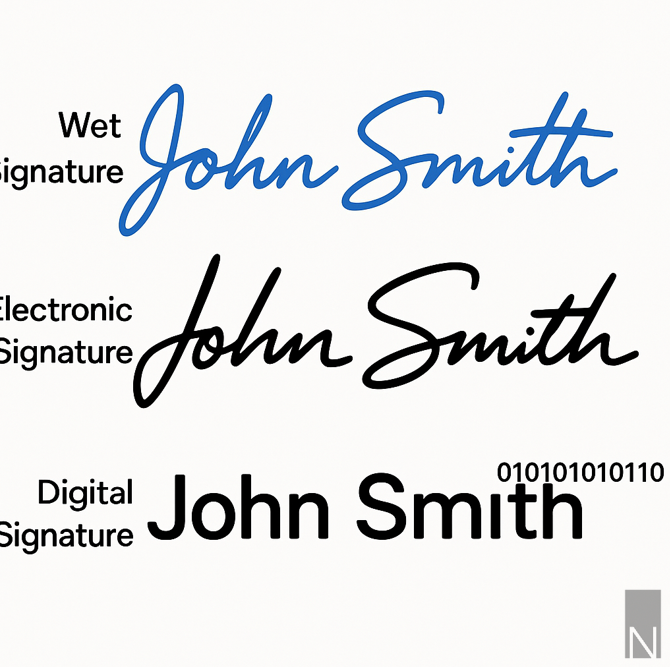
You’ll never go wrong by using a blue wet signature on your documents.
While digital signatures have grown in popularity, knowing the difference between digital and handwritten signatures is essential—especially when submitting documents for Canadian immigration.
Handwritten Signatures: The Traditional Standard
A handwritten signature—also known as a wet signature—remains the most accepted method for official immigration documents. When you sign a physical form with a blue pen, you:
- Create a visually verifiable identifier
- Establish a direct connection between yourself and the document
- Show personal authorization and presence
- Align with traditional legal expectations
Because of these advantages, handwritten signatures are especially valued in formal or government-related processes.
Digital Signatures: A Secure, Modern Option
On the other hand, digital signatures are electronic representations used to sign digital documents. These are common in business and tech environments. A digital signature:
- Relies on digital certification technologies
- Supports remote transactions
- Adds encryption and security features
- Integrates with various online document platforms
Although convenient, not all immigration forms accept digital signatures, especially for initial applications.
Which Signature Should I Use?
The right choice depends on several factors, including:
- The requirements of the document
- IRCC or organization-specific policies
When applying for a Canadian business visitor visa, a blue wet signature remains the most recommended option. In some cases, using a stylus for touchscreen signatures is permitted.
In my experience, the IMM5645 form and the IMM5476 form allows for the touchscreen signatures. But to be safe, always ask your consultant because IRCC could change their requirements.
Why Signature Type Affects Visa Success
Understanding signature rules is more than just a technical detail—it’s a matter of credibility and compliance. By using a blue wet signature on immigration forms and supporting letters, applicants:
- Demonstrate authenticity
- Respect official procedures
- Avoid unnecessary delays or rejections
Even a small detail—like signing with a pen—can enhance the professional appearance of your application.
Details That Make the Difference
In the world of immigration, details matter. Choosing a wet signature over a digital one for your visa documents helps ensure your application looks complete, genuine, and ready for review by IRCC officers.
So, when in doubt? Use a blue pen.
My blogs
Drawn from real-world experiences handling numerous visa applications in a fast-paced corporate environment—each insight and tip shared here comes from actual cases, which entail downfalls and victories.
Stay updated with practical immigration tips by following my blogs.
Disclaimer: The above writing is not intended to be a source of legal advice. Please seek legal advice and use your own good judgment before choosing to act on any information provided above. If you choose to rely on this article, you do so entirely at your own accountability.
Keep reading



Planning a business trip to Canada?
Book a consultation with a licensed RCIC to review your situation.
Book a Consultation →