Missed Your 30-Day Biometrics Deadline? Here’s What Happens
Missing IRCC’s 30-day biometrics deadline can derail a Canadian business visa. Learn the rules, travel options, and key steps to avoid costly delays.
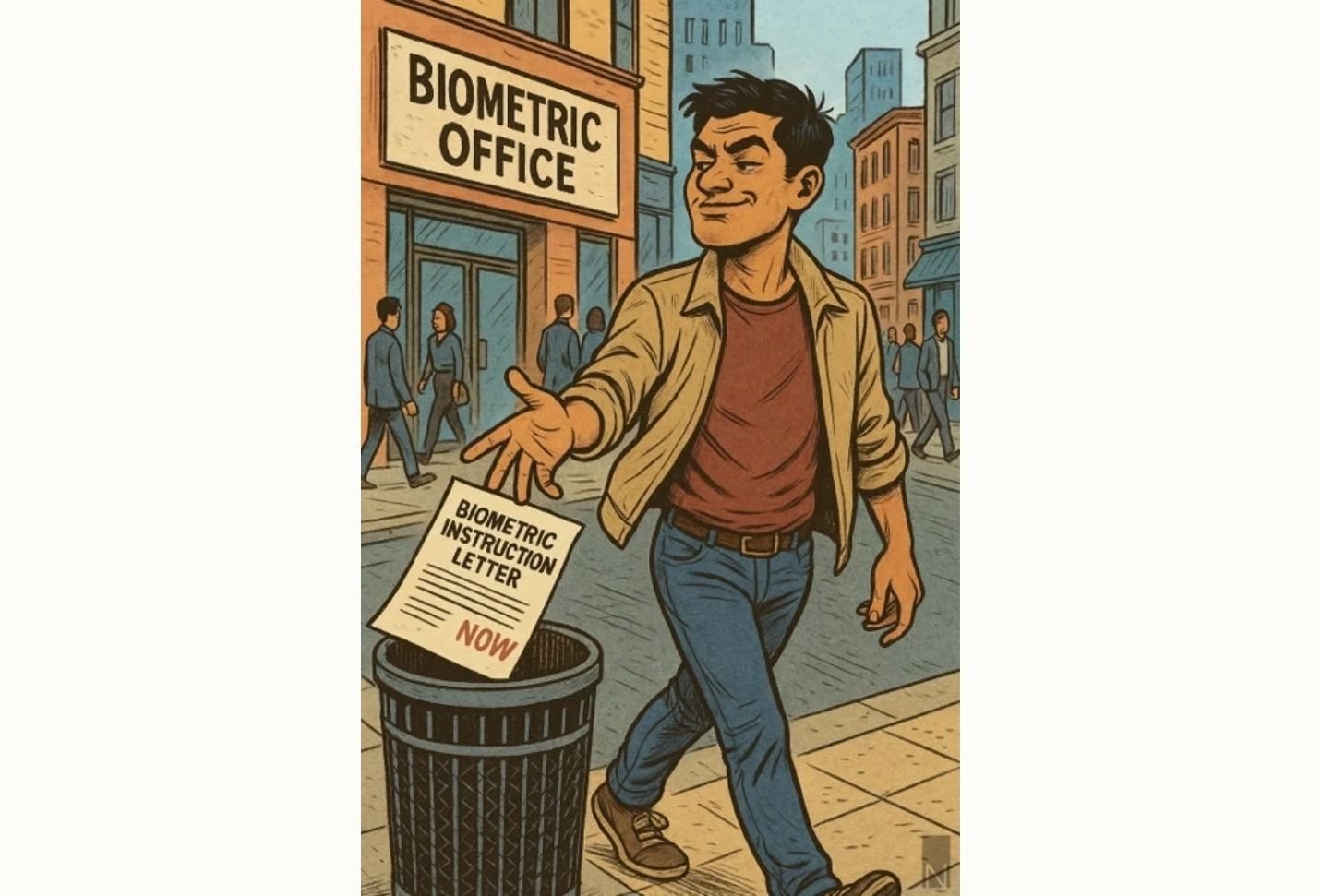
Too quick the race will cripple your pace. Be patient
Israelmore Ayivor
Key takeaways
- You have 30 days, not “whenever you’re back”: After you receive your Biometric Instruction Letter, you have up to 30 days from the date in the letter to give your fingerprints and photo.
- You can give biometrics abroad: IRCC operates a worldwide network of Visa Application Centres, so a business traveller can often book an appointment in the country they are visiting. Find locations with IRCC’s visa application centre finder.
- Booking is free, so book early: IRCC confirms that booking a biometrics appointment is free and advises you to book as soon as you get your letter.
- Missed steps compete with a massive queue: As of July 31, 2026, IRCC had 327,980 visitor visa applications not yet finalized, and a file that stalls on a missed step does not get special patience.
- The most common mistake: Applicants treat the biometrics letter as a routine notice and plan around their own travel schedule. In reality, the 30-day window runs on IRCC’s calendar, and missing it can end your application.
“Too quick the race will cripple your pace. Be patient.” Israelmore Ayivor’s line describes one of my clients perfectly. This article covers how his rush through instructions led to a refusal, what IRCC’s biometrics rules actually require, and how business travellers can give biometrics on the road without losing their application. For the bigger picture on timelines, see our guide to (Canadian business visitor visa processing times)[https://newflowimmigration.ca/resources/blog/].
This article provides general information only and does not constitute legal advice.
How Can Rushing Hurt a Canadian Visa Application?
This client was the quickest of anyone when it came to sending supporting documents. He was also the quickest to escalate whenever he disagreed with a procedure. He moved so fast that he skimmed instructions in my emails, then asked questions I had already answered.
His speed showed up in his documents, too. Instead of correcting errors in his letters, he drew a big red line through them and sent them as they were. A support letter with crossed-out text looks careless at best. At worst, it makes an officer wonder whether someone altered the document after signing, and authenticity concerns can sink an application on their own.
Speed is not the problem. Skipping steps is. Small mistakes, from a (non-compliant photo)[https://newflowimmigration.ca/resources/blog/12-digital-photo-mistakes-that-will-delay-your-canadian-business-visitor-visa/] to an (incorrectly signed form)[https://newflowimmigration.ca/resources/blog/can-i-use-a-digital-signature-on-my-canadian-immigration-documents/], regularly add weeks to a file. In his case, the cost was far higher.
What Is a Biometric Instruction Letter?
After you submit an application, IRCC will send a Biometric Instruction Letter. It tells you how to give your fingerprints and photo, which IRCC uses to confirm your identity.
Because I submit applications on behalf of clients, IRCC sends these notifications to me by email. I forward them right away with clear next steps. When I sent this client his letter, he mentioned he would be travelling to other countries over the coming weeks.
I reminded him that he had 30 daysfrom the date on the letter to give his biometrics. If he would not be home within that window, he could book an appointment at a Visa Application Centre in one of the countries he was visiting. I sent him the locations. He assured me he would handle it once he got home.
What Happens If I Miss the 30-Day Biometrics Deadline?
He did not book within 30 days. Instead, he booked an appointment for the following month in his home country. By then it was too late, and IRCC refused his application.
Biometrics are a required part of the application, so an applicant who does not give them within the deadline leaves the file incomplete, and an officer can refuse it. Every week of delay also pushes back the decision, since IRCC counts the time it takes to give biometrics in its processing estimates.
If something genuinely prevents you from giving biometrics in time, such as a Visa Application Centre closure, contact IRCC through its web form before the deadline passes and keep proof of the problem. Waiting until after the deadline leaves you with far fewer options.
Can I Give My Biometrics in Another Country?
For many business travellers, yes. IRCC runs a worldwide network of Visa Application Centres, plus Application Support Centers in the United States for people legally present there. If you applied online, you can usually book at a centre in the country you are visiting rather than waiting until you return home.
There is one exception worth knowing. IRCC’s officer guidance states that applicants who submit a paper application at a Visa Application Centre and enrol biometrics at the same time must do so at the same centre where they submitted the application. Check your letter’s instructions or ask your representative if you are unsure.
To give biometrics while you travel:
- Check your Biometric Instruction Letter for the deadline date the moment it arrives
- Map your travel itinerary against that 30-day window
- Find centres along your route with IRCC’s visa application centre finder
- Book the earliest available appointment, since booking is free
- Bring your Biometric Instruction Letter and the passport you used to apply
Do I Need to Give Biometrics Again for Every Application?
Not always. IRCC states that biometrics you gave for a previous visitor visa, study permit, or work permit application remain valid for 10 years. If yours are still valid, you may not need a new appointment, which removes the 30-day risk entirely.
Check your previous applications before you apply. Many frequent business travellers skip this step and pay for biometrics they did not need, or book appointments that only add time to their file.
FAQs
How long do I have to give biometrics after receiving the instruction letter?
IRCC gives you up to 30 days from the date shown in your Biometric Instruction Letter. Book your appointment as soon as the letter arrives, because appointment slots in busy cities can fill up weeks in advance.
Can my Canadian visa be refused for missing the biometrics deadline?
Yes. Biometrics are a required part of the application, and failing to give them in time leaves your file incomplete. In my client’s case, IRCC refused the application after he booked an appointment outside the 30-day window.
Can I give my biometrics in a country other than my home country?
In many cases, yes. Online applicants can usually book at any Visa Application Centre in IRCC’s worldwide network. If you submitted a paper application at a centre and enrolled biometrics there, IRCC requires you to use that same centre.
How long are Canadian biometrics valid?
IRCC states that biometrics given for a visitor visa, study permit, or work permit application remain valid for 10 years. During that period, you generally do not need to give them again for a new temporary resident application.
Slow and Steady Wins the Visa
Like the tortoise in Aesop’s fable, the swiftest applicant does not always win. Read every instruction, correct mistakes properly instead of crossing them out, and treat IRCC deadlines as fixed, whatever your travel plans. Steady, careful steps get you approved more reliably than speed ever will. Figures in this article reflect current IRCC data, not guarantees. If you are planning business travel and want a licensed professional to manage every deadline in your Canadian business visitor application, Newflow Immigration can help.
Disclaimer: This article offers general information and does not constitute legal advice. Reading it does not create a consultant-client relationship. Client details have been kept general to protect confidentiality. Immigration outcomes depend on individual circumstances and the discretion of IRCC officers.
Related articles
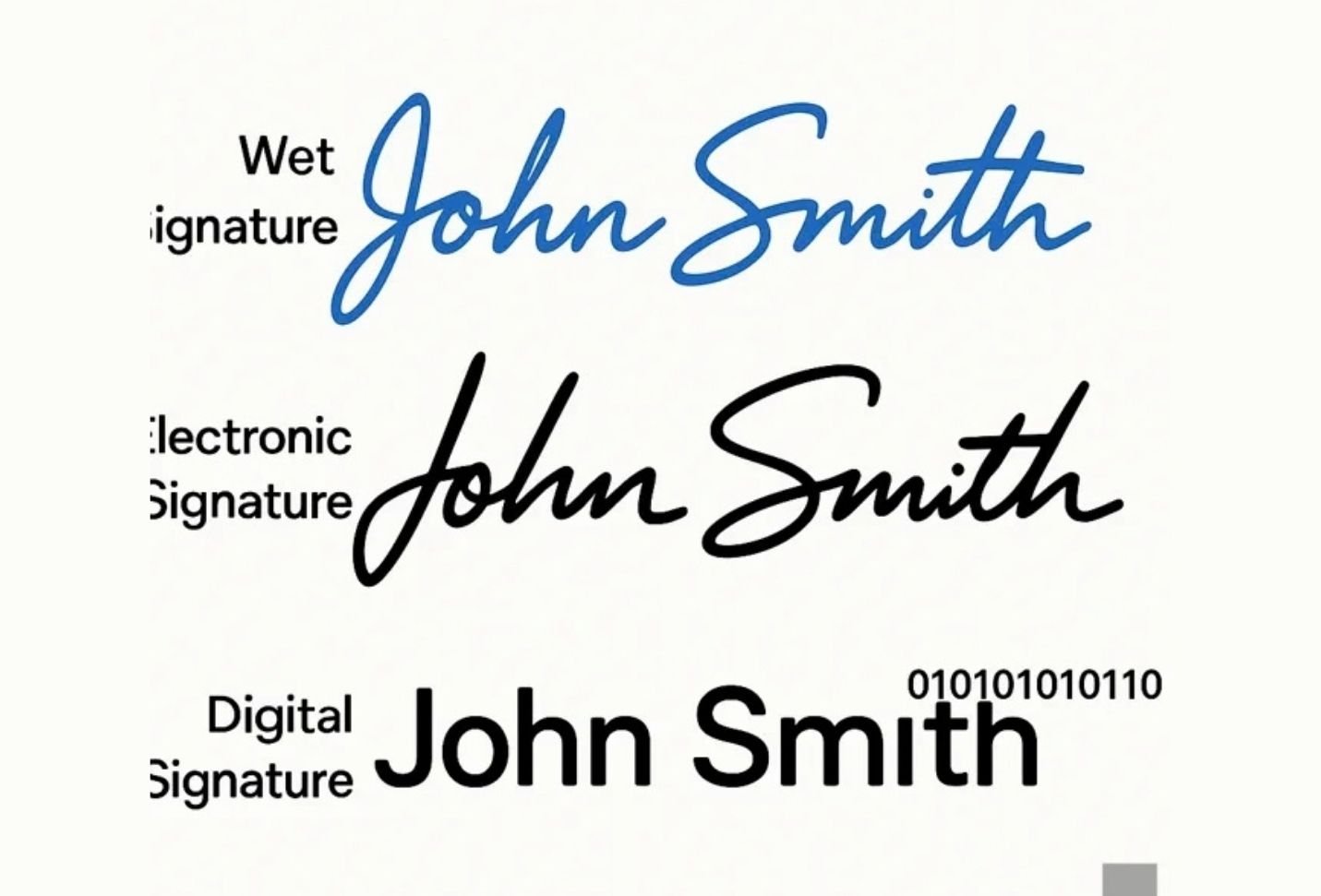
Can I Use a Digital Signature on My Canadian Immigration Documents?
Can you e-sign Canadian immigration forms? Learn which IRCC forms accept digital signatures, which still need a handwritten signature, and how to sign online applications.

2 ATIP Signature Rules You Must Follow for GCMS Notes
A pasted signature can delay your IRCC ATIP request for weeks. Learn the blue-ink rule, who can request GCMS notes, timelines, and how officer notes work.

12 Digital Photo Mistakes That Will Delay Your Canadian Business Visitor Visa
A non-compliant photo can stall your Canadian business visitor visa. Learn IRCC’s exact photo specifications and the 12 mistakes that trigger requests for new photos.