2 ATIP Signature Rules You Must Follow for GCMS Notes
A pasted signature can delay your IRCC ATIP request for weeks. Learn the blue-ink rule, who can request GCMS notes, timelines, and how officer notes work.

“Blue is the closest color to truth”
Steven Tyler
Key takeaways
- Blue ink is mandatory: IRCC’s consent form guidance states that only original signatures signed in blue will be accepted, with no electronic signatures.
- Not everyone can file the request: Access to information requests must come from a Canadian citizen, a permanent resident, or a person or corporation currently in Canada, so applicants abroad usually need a representative.
- IRCC handles enormous volume: The department received 168,987 access to information requests in 2024-2025 and closed 80.7% of them within legislated timelines.
- Refusals now come with notes: Since July 29, 2025, IRCC sends officer decision notes with refusal letters for visitor visas, study permits, and work permits, though it may remove portions.
- The most common mistake: Applicants copy and paste a signature image onto the consent form. It looks fine, but IRCC treats it as an electronic signature and pauses the request until a hand-signed form arrives.
This article covers a real ATIP (Access to Information and Privacy) request from my practice that stalled over a single signature, what IRCC actually requires on its consent form, how long requests take based on current data, and how the newer officer decision notes fit in. If your request relates to a business trip, our guide to the Canadian business visa explains the application itself.
This article provides general information only and does not constitute legal advice.
Why Would I Need My GCMS Notes After a Refusal?
When I submit an application on behalf of a client, I do so with complete confidence, because careful planning and attention to detail go into every file. So when IRCC refused this client’s temporary resident visa for business purposes, I was genuinely shocked. I had covered everything, and I take pride in a strong approval record.
I suspected the client had not disclosed something. To find out, I requested her file through ATIP. These records come from IRCC’s Global Case Management System (GCMS), the database officers use to process applications, and they show the officer’s reasoning in far more detail than a standard refusal letter.
Those notes tell you whether to reapply, what evidence to strengthen, and whether the refusal hides a bigger problem, such as the undisclosed history we covered in our article on misrepresentation and Canadian visas. Without them, a re-application is guesswork.
Who Can Request GCMS Notes Through ATIP?
IRCC limits who can file an access to information request. According to IRCC, the requester must be:
- A Canadian citizen
- A permanent resident of Canada
- An individual or corporation currently in Canada
Most business visitor applicants live abroad, so a Canadian representative usually files on their behalf. That requires the applicant’s written consent on the Consent for an Access to Information and Personal Information Request.
What Went Wrong With My Client’s Consent Form?
I emailed my client the consent form to sign and date. Within seconds, she sent it back signed. So far, so good, or so I thought.
Two weeks later, the ATIP office flagged her signature. She had copied and pasted it from another document instead of signing the form by hand. The office paused the request and asked for a new consent form with a genuine handwritten signature in blue ink, plus a scanned government-issued photo ID so it could verify her identity against the signature.
Her shortcut cost us weeks. We sent a fresh, properly signed form, and the clock started again. In immigration, convenience rarely equals speed, and a pasted signature fails even when the image itself is blue.
What Are IRCC’s Signature Rules for ATIP Consent Forms?
IRCC publishes a one-page guide to the ATIP consent form. Its key rules are:
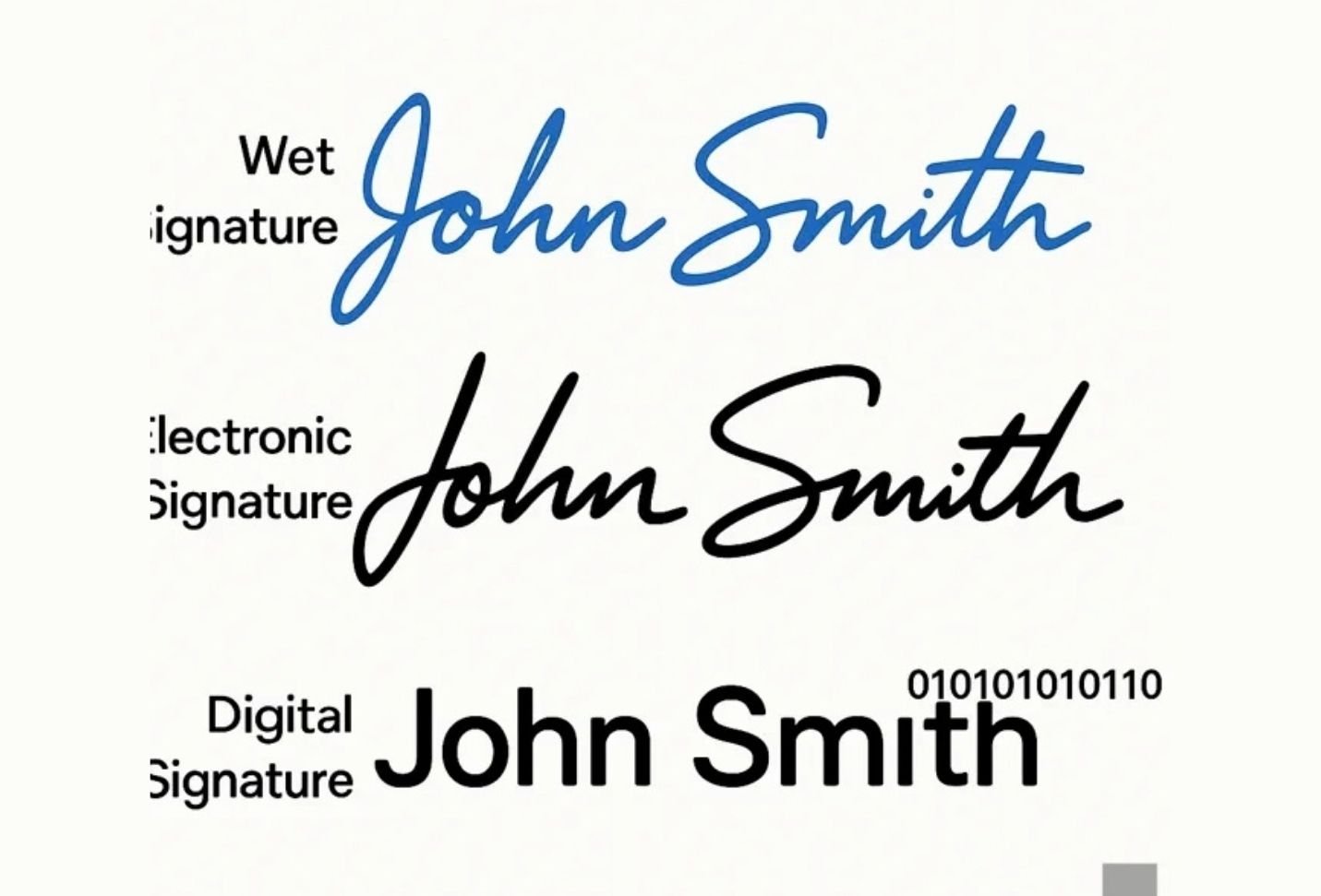
- Sign by hand in blue ink: IRCC accepts only original signatures in blue, with no electronic signatures of any kind
- Date the form: Every signature needs the date beside it
- Scan it properly: For online submission, send a colour scan at 300 dpi or higher, or a clear, well-lit smartphone photo of the signed page
- Get both parents for minors: For children under 16, both parents sign, either on one form or separately, unless one parent holds a court order for custody
Why does IRCC hold on to blue ink in a digital age? A wet signature proves that the applicant personally reviewed and authorized the release of their file. Blue ink also makes an original easy to tell apart from a black-and-white photocopy, which protects applicants from someone requesting their personal records without permission.
How Long Does an ATIP Request Take in 2026?
The law gives departments 30 calendar days to respond, with extensions allowed for large or complex requests. IRCC’s 2024-2025 annual report shows it closed 80.7% of requests within legislated timelines, and more than 70% within 30 days.
In my experience, a correctly submitted request usually returns within about three weeks. Some applicants wait three months or more, often because of missing consent, an unclear request, or an extension. A rejected signature resets your progress, so the fastest request is the one you get right the first time.
To keep your request moving:
- Sign the consent form by hand, in blue ink, and date it
- Scan the original at high resolution in colour
- Include the applicant’s full name, date of birth, and application number
- Attach a copy of government-issued photo ID if the office requests it
- Describe exactly which records you want and the relevant date range
Do I Still Need ATIP Now That IRCC Sends Officer Notes?
Often, the answer is yes. Since July 29, 2025, IRCC has included officer decision notes with refusal letters for temporary resident visas, visitor records, study permits, and work permits. IRCC extended this to permanent residence applications on May 26, 2026. Electronic travel authorizations and temporary resident permits remain excluded.
These notes give you a faster first look at the officer’s reasoning. However, IRCC states that it may remove portions of a note to protect sensitive information. IRCC also advises that applicants seeking judicial review should still tell the Federal Court they have not received complete reasons.
An ATIP request returns your fuller GCMS record, including details the summary note may leave out. If your refusal reasons feel vague, or you suspect a hidden issue like an undisclosed past application, the full file remains the better tool.
FAQs
Can I use an electronic signature on the IMM 5744 consent form?
No. IRCC’s guidance states that it accepts only original handwritten signatures in blue ink, and no electronic signatures. That includes signature images copied from other documents and digital signing tools.
Can I request my GCMS notes from outside Canada?
Not directly through an access to information request, which is limited to Canadian citizens, permanent residents, and people or corporations in Canada. Most applicants abroad authorize a Canadian representative to file for them using the signed IMM 5744 consent form.
How long do GCMS notes take to arrive?
Departments have 30 calendar days to respond, with possible extensions. Based on IRCC’s 2024-2025 data, it closed over 70% of access requests within 30 days, but incomplete or incorrectly signed consent forms can add weeks.
Does IRCC give reasons when it refuses a visitor visa?
Yes. Since July 29, 2025, IRCC includes officer decision notes with most temporary resident refusal letters, though it may remove some portions. For a fuller picture of your file, you can still request your GCMS records through ATIP.
Small Details, Big Delays
In immigration, small oversights cause big delays. Whether you are submitting an application, uploading supporting documents, or signing an ATIP consent form, follow IRCC’s instructions to the letter, and when it asks for blue ink, pick up a blue pen. Timelines in this article reflect current IRCC data, not guarantees for any individual request. If IRCC has refused your Canadian business visitor visa, Newflow Immigration’s licensed consultants can request and interpret your GCMS notes and build a stronger re-application around what they reveal.
Disclaimer: This article offers general information and does not constitute legal advice. Reading it does not create a consultant-client relationship. Client details have been kept general to protect confidentiality. Immigration outcomes depend on individual circumstances and the discretion of IRCC officers.
Related articles

Another Easy Way to Get Refused a Canadian Temporary Resident Visa (Hint: Don’t Do This)
Leaving out a past Canadian application can trigger a misrepresentation finding and a 5-year ban. Learn what IRCC can see, what counts, and how to disclose safely.

Missed Your 30-Day Biometrics Deadline? Here’s What Happens
Missing IRCC’s 30-day biometrics deadline can derail a Canadian business visa. Learn the rules, travel options, and key steps to avoid costly delays.
Can I Use a Digital Signature on My Canadian Immigration Documents?
Can you e-sign Canadian immigration forms? Learn which IRCC forms accept digital signatures, which still need a handwritten signature, and how to sign online applications.